 01
Commercial
01
Commercial
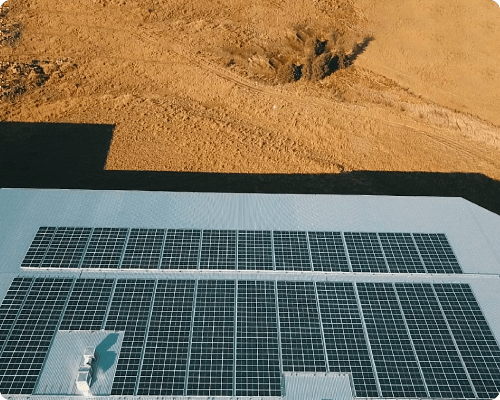
Jaycar PTY LTD
Electronics Distribution
Address46 Eastern Creek Dr
PostcodeEastern Creek, NSW 2766
SectorCommercial / Distribution
Planning a commercial battery or solar + battery system? Eligible NSW businesses may be able to access incentive value through Peak Reduction Certificates under the new PDRS activities.
We meet the highest industry standards with multiple accreditations and certifications that ensure quality, safety, and environmental responsibility for your commercial solar and battery installation.



 01
Commercial
01
Commercial
Electronics Distribution
 02
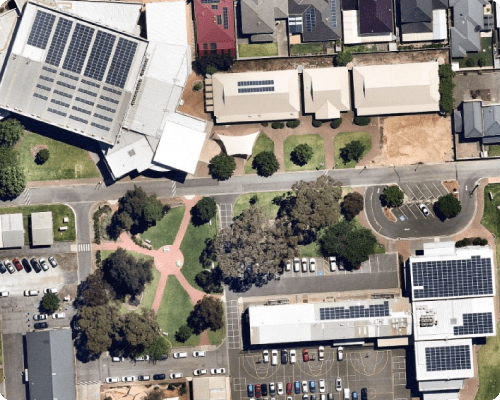
Education
02
Education
Educational Institution
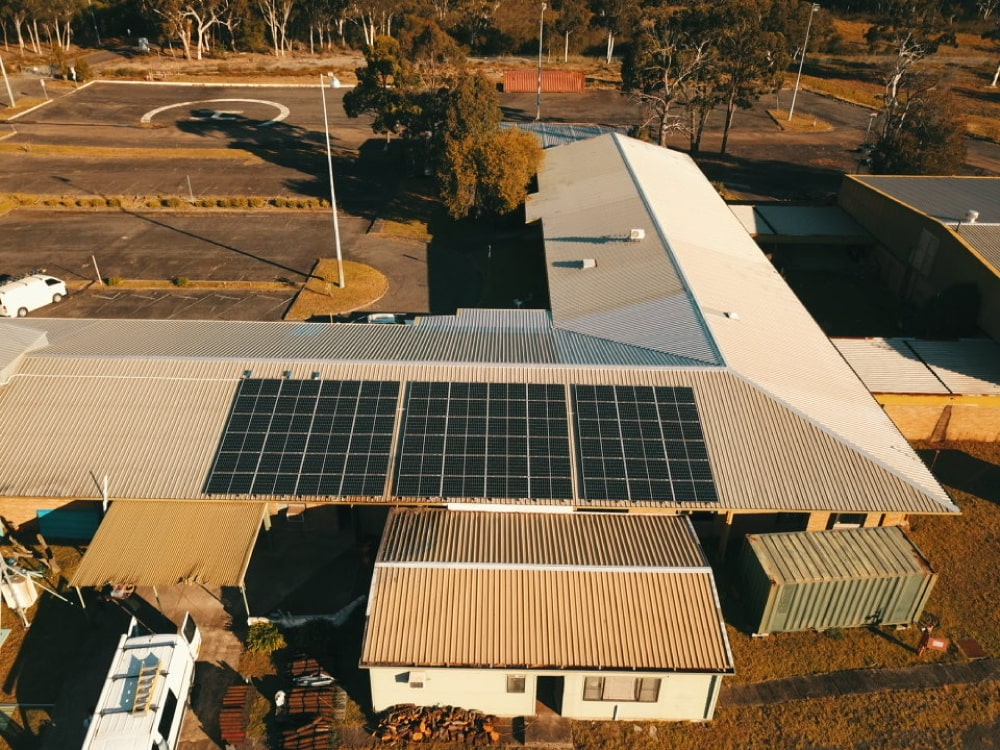 03
Industrial
03
Industrial
Mining & Resources
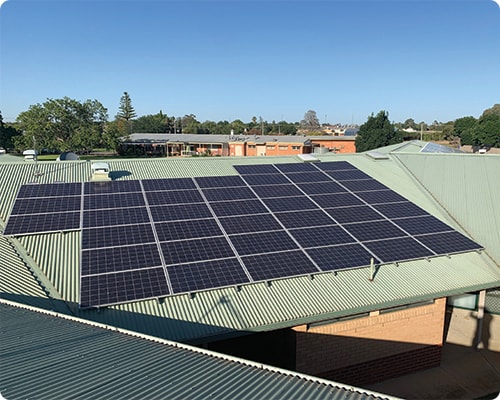 04
Healthcare
04
Healthcare
NSW Health
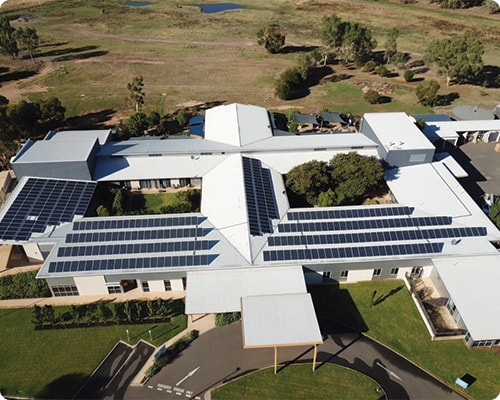 05
Healthcare
05
Healthcare
NSW Health
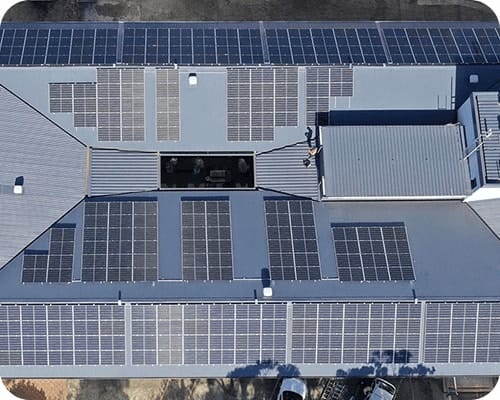 06
Industrial
06
Industrial
Chemical Manufacturing
 07
Commercial
07
Commercial
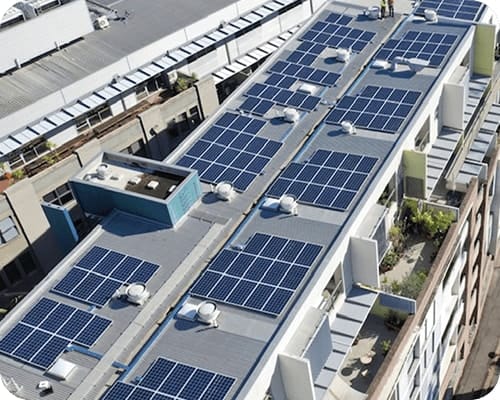
Residential Strata
 08
Industrial
08
Industrial
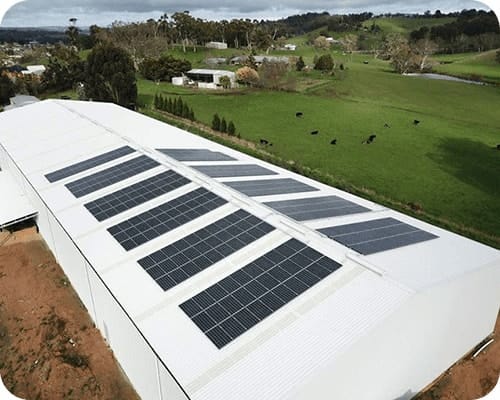
Food & Beverage Manufacturing
 09
Commercial
09
Commercial
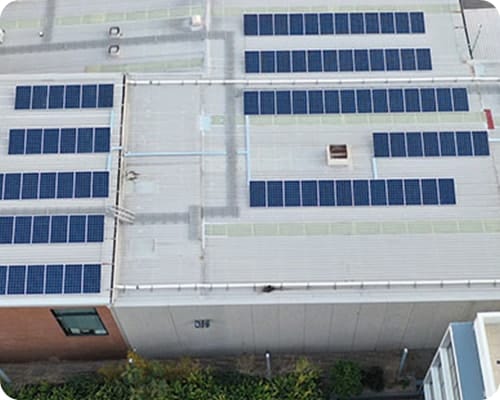
Intera Group
 10
Industrial
10
Industrial
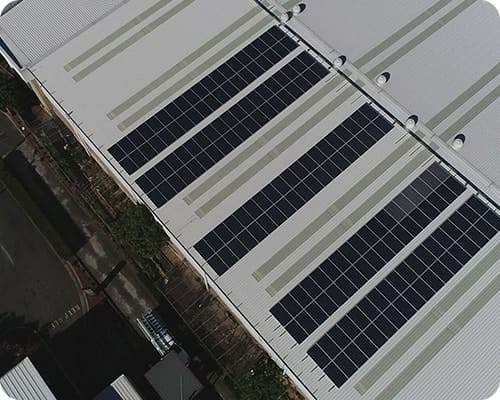
Food & Beverage Manufacturing
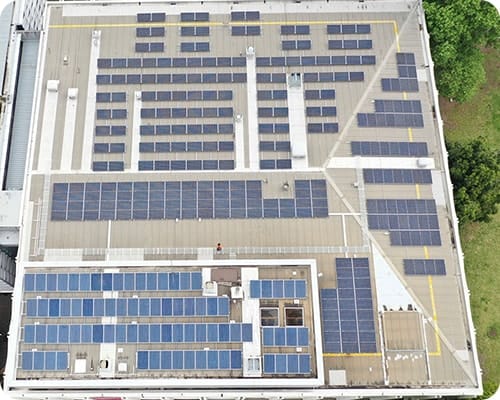 11
Government
11
Government
Canterbury Bankstown Council
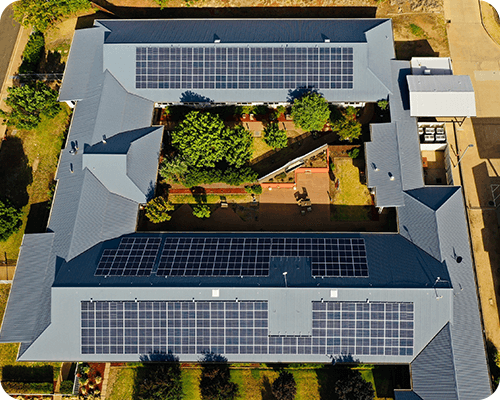 12
Healthcare
12
Healthcare
Catholic Healthcare Ltd
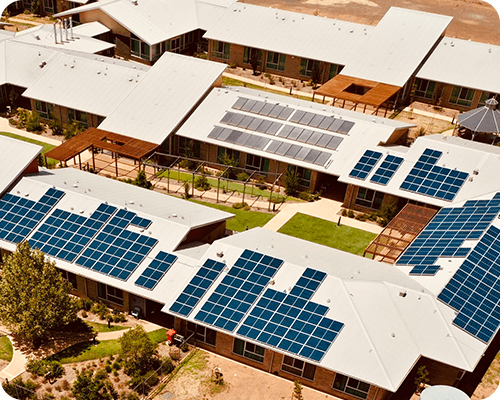 13
Healthcare
13
Healthcare
Catholic Healthcare Ltd
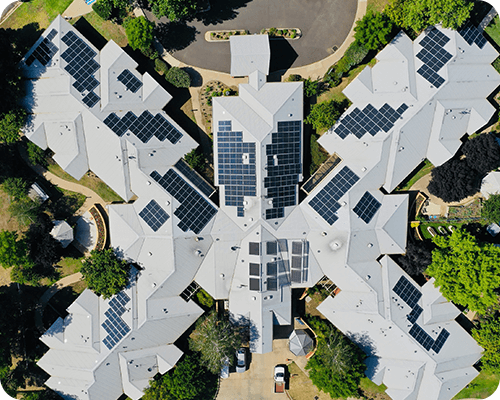 14
Healthcare
14
Healthcare
Catholic Healthcare Ltd
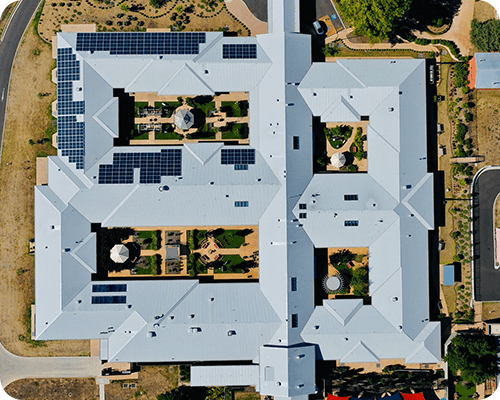 15
Healthcare
15
Healthcare
Catholic Healthcare Ltd
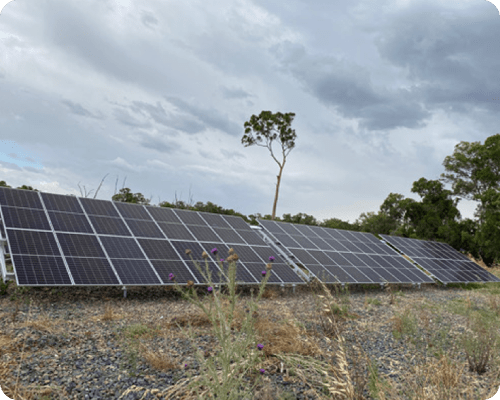 16
Government
16
Government
Hilltops Council
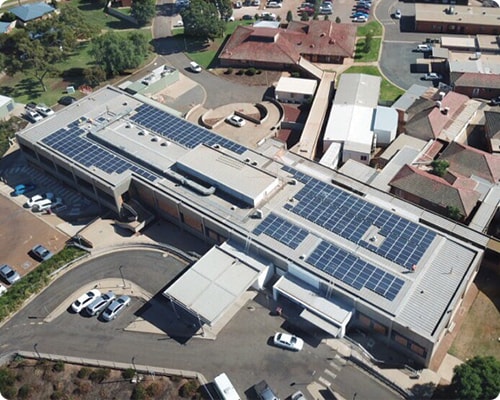 17
Healthcare
17
Healthcare
NSW Health
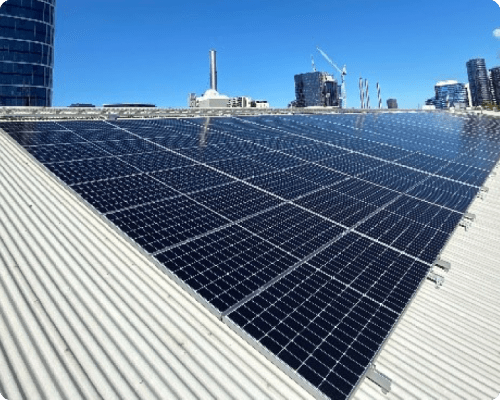 18
Medical
18
Medical
Australian Red Cross
"Its been a while since we got our solar from Australian Solar Design, dealing with them was super easy and we are extremely pleased we went with them,..."

"We were very happy with the installation and the communication (which was above and beyond expectation) between Austarlian Solar Designs and ourselves..."
"From the initial advice and quotation through to installation and commissioning the support was first class. We had no experience in solar but ASD hel..."
"Had a battery/solar install and sadly the battery wasnt discharging for the house.Called up and was connected with Monika who chased up the issue, fou..."
"Getting the solar panels was very simple make a call and fill out the paperwork. The solar panel installed in a day and up and running We were Making ..."
"I have been very impressed liaising with Australian Solar Designs from customer service to best price in town. Reliability is what I was after and thi..."
"I had the solar system installed early 2021. The experience of ASD from quotation to installation is very good. ASD staffs are all very helpful, and i..."
"The installation of our new solar panels was a smooth and no hassles experience that started with Eric the salesman and continued through Monika who w..."
"From the beginning ASD provided me with excellent Key Personnel communications contacts, particularly helpful in guiding me through the Contract and A..."
"Its been a while since we got our solar from Australian Solar Design, dealing with them was super easy and we are extremely pleased we went with them,..."
"We were very happy with the installation and the communication (which was above and beyond expectation) between Austarlian Solar Designs and ourselves..."
"From the initial advice and quotation through to installation and commissioning the support was first class. We had no experience in solar but ASD hel..."
For most commercial sites, electricity is a fixed cost that only moves in one direction. Commercial solar changes that by letting your business generate a share of its own electricity on-site.
The electricity your system generates isn't subject to retailer price increases.
Makes budgeting and forecasting easier for finance teams with stable energy outlays.
Most commercial roofs and car parks sit unused, but solar puts that valuable space to productive work.
Plan ahead rather than reacting to bill shock year after year. A system pays back over its lifetime.
Storage adds further control over when you use grid power versus stored energy.
Demonstrate environmental leadership to clients and stakeholders with measurable carbon reduction.
Generates electricity on-site during daylight hours.
Businesses that operate mainly during the day, with meaningful daytime electricity use.
Value depends on how much generation you can use as it's produced.
Proven ROICombines on-site generation with storage for maximum control.
Businesses wanting to maximise self-consumption and reduce grid reliance further.
Higher upfront investment, but may unlock the NSW BESS4/BESS5 incentive.
May Unlock NSW IncentiveStores electricity for use later, and can help manage demand charges.
Businesses with high peak-demand charges, operating outside daylight hours, or wanting backup capability.
Standalone batteries typically have a longer payback than solar.
Demand ManagementFrom 1 September 2026, NSW businesses installing a commercial battery may be able to access a financial incentive through the state's Peak Demand Reduction Scheme.
The PDRS already rewards households and small businesses for reducing peak demand. From 1 September 2026 it extends to larger behind-the-meter batteries at business, commercial and industrial sites for the first time, through two new activities: BESS4 and BESS5.
Businesses installing an eligible battery at a site that isn't a residential building or data centre, where the equipment, installer and project meet the scheme's requirements.
Yes. For both BESS4 and BESS5, new solar installed alongside the battery must be at least 25% of the battery's usable capacity — a core scheme eligibility requirement, not an optional extra.
Eligible projects generate Peak Reduction Certificates (PRCs) — tradeable certificates, not a fixed-dollar rebate. Their value moves with the certificate market at the time.
Installing the battery within 90 days of the new solar being installed unlocks a materially higher certificate rate than installing outside that window — one of the biggest levers in the value of this incentive.
(*STC values can change. Actual incentives depend on system size, eligibility and certificate pricing.)
Check the items that apply to your business
Eligibility depends on the applicable scheme rules and your specific project details: this checklist is an initial reference guide rather than a final determination.
High daytime energy use makes solar generation and demand management particularly relevant.
Large roof space typically underused, often paired with high daytime operating hours.
Daytime trading hours align well with solar generation patterns.
Extended operating hours can make battery storage worth evaluating alongside solar.
Steady daytime consumption suits solar; battery relevance depends on after-hours use.
Large sheds and rural sites often have strong roof space and can face high peak-demand charges.
Continuous operation makes energy cost predictability and reliability especially relevant.
Daytime-heavy usage pattern is a strong general fit for solar generation.
Every commercial site is unique, which is why ASD custom-designs each system around your specific business goals.
Commercial solar is a solar power system designed and sized for a business, industrial or government site, rather than a home. Systems are typically larger and configured around a business's specific consumption pattern and operating hours.
It depends on your site's electricity usage, roof space, and current energy costs. Businesses with meaningful daytime electricity consumption are generally well suited to solar, but the actual value depends on an assessment of your specific usage pattern.
System size depends on your available roof or ground space, your daytime electricity consumption, and your budget. There's no standard size; a customized assessment determines what's optimal for your site.
Payback periods vary by system size, usage pattern, electricity tariff, and available incentives. An accurate payback estimate requires a site-specific assessment rather than a general figure.
Yes. Commercial solar systems are designed to scale from small business sites through to large industrial and government facilities.
Design starts with an assessment of your energy usage, roof or site space, and operating hours, followed by system sizing and equipment selection matched to your site.
A commercial battery energy storage system (BESS) stores electricity (typically generated from solar) for use later, such as during peak-demand periods or outside daylight hours.
This depends on your electricity tariff structure, particularly demand charges, and your usage pattern outside daylight hours. A battery-specific assessment is the best way to evaluate this for your site.
Battery sizing depends on your energy usage pattern, backup requirements, and (if pursuing the NSW incentive) the BESS4/BESS5 capacity bands. An assessment determines the right size for your business.
In many cases, yes, though compatibility depends on your existing solar system and inverter setup. This needs to be confirmed at assessment stage.
BESS4 and BESS5 are two new activities under the NSW Peak Demand Reduction Scheme that may provide a financial incentive for eligible businesses installing a commercial battery, commencing 1 September 2026.
Both commence on 1 September 2026, under the NSW Peak Demand Reduction Scheme (Amendment No. 2) Rule 2026.
Businesses installing an eligible battery at a site that isn't a residential building or data centre, where the equipment, installer and project meet the scheme's specific requirements.
Yes: for both BESS4 and BESS5, new solar capacity of at least 25% of the battery's usable capacity must be installed alongside it.
Installing your battery within 90 days of the new solar being installed unlocks a higher incentive rate than installing outside that window.
BESS4 covers usable battery capacity above 20kWh up to 200kWh (small-medium business). BESS5 covers usable capacity above 200kWh up to 30,000kWh (larger commercial and industrial), with the incentive calculation applied to the first 10,000kWh.
No. Eligible projects create Peak Reduction Certificates, which are valued based on the certificate market at the time, rather than a fixed dollar amount. This is why the scheme is structured as an incentive.
No. Residential buildings are specifically excluded from BESS4 and BESS5.
No. Data centres are specifically excluded from BESS4 and BESS5.
ASD can assess your site for commercial solar, battery storage, or a combined solar-plus-battery system, including whether your project may be eligible for the NSW commercial battery incentive from 1 September 2026.